

PRP treatment in Dubai is increasingly offered for concerns ranging from hair thinning and skin rejuvenation to certain musculoskeletal conditions. Platelet-Rich Plasma (PRP) therapy uses components of a patient’s own blood and is generally considered a minimally invasive treatment.
For people considering PRP treatment in Dubai, understanding what the procedure involves, what it may help with, and its limitations is important before deciding whether it is suitable.
This guide explains how PRP works, its potential benefits, common applications, possible side effects, recovery, costs and what to expect before and after treatment.
What Is PRP Treatment?
PRP stands for Platelet-Rich Plasma. It is prepared from a small sample of the patient’s own blood.
The blood is placed in a centrifuge, which separates its different components. A concentrated portion containing platelets is then collected and injected or applied to the area being treated.
Platelets contain growth factors and other proteins involved in tissue repair and healing. PRP treatment aims to concentrate these components in a specific area to support the body’s natural biological processes.
Because PRP is prepared from the patient’s own blood, the likelihood of an allergic reaction or rejection is generally low. However, as with any procedure involving injections, side effects and complications remain possible.
Why Is PRP Treatment Popular in Dubai?
Dubai has a large aesthetic and private healthcare sector, with PRP offered by many dermatology, hair restoration, aesthetic and orthopaedic clinics.
Several characteristics have contributed to interest in the treatment.
Minimally Invasive Treatment
PRP generally requires injections rather than surgery. Depending on the treatment area, patients can often return to normal activities relatively quickly.
Multiple Applications
PRP may be used in different areas of medicine and aesthetics, including hair restoration, skin treatments and selected musculoskeletal conditions.
Uses the Patient’s Own Blood
Unlike treatments based on synthetic fillers or other injected substances, PRP is prepared from the patient’s own blood.
Treatment Can Be Personalised
The number of sessions, treatment technique and PRP preparation may vary according to the patient’s condition and the area being treated.
Types of PRP Treatment in Dubai
PRP is used for several different purposes. However, evidence and expected outcomes vary according to the condition being treated.
PRP for Hair Loss
Hair restoration is one of the most common aesthetic applications of PRP.
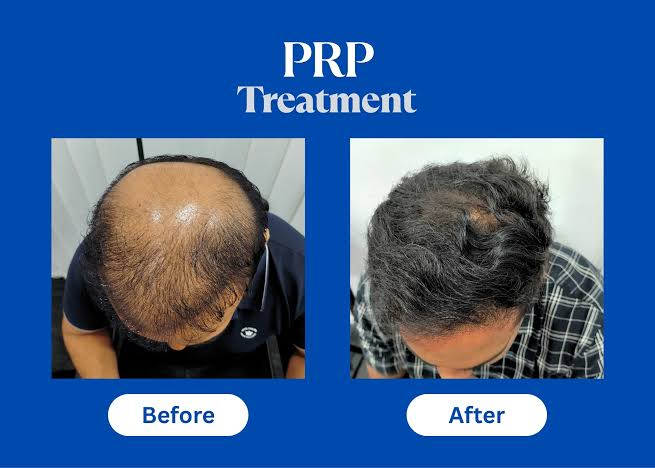
PRP may be considered for certain forms of hair thinning, particularly androgenetic alopecia, commonly known as male or female pattern hair loss.
The treatment involves injecting PRP into selected areas of the scalp with the aim of supporting existing hair follicles and improving hair density or thickness.
PRP is not suitable for every cause of hair loss. Hair shedding can result from hormonal changes, nutritional deficiencies, medical conditions, medications and other factors, so identifying the cause of hair loss is important before beginning treatment.
Results are gradual rather than immediate, and several treatment sessions may be recommended.
PRP for Skin Rejuvenation
PRP is also used in aesthetic dermatology for facial skin treatments.
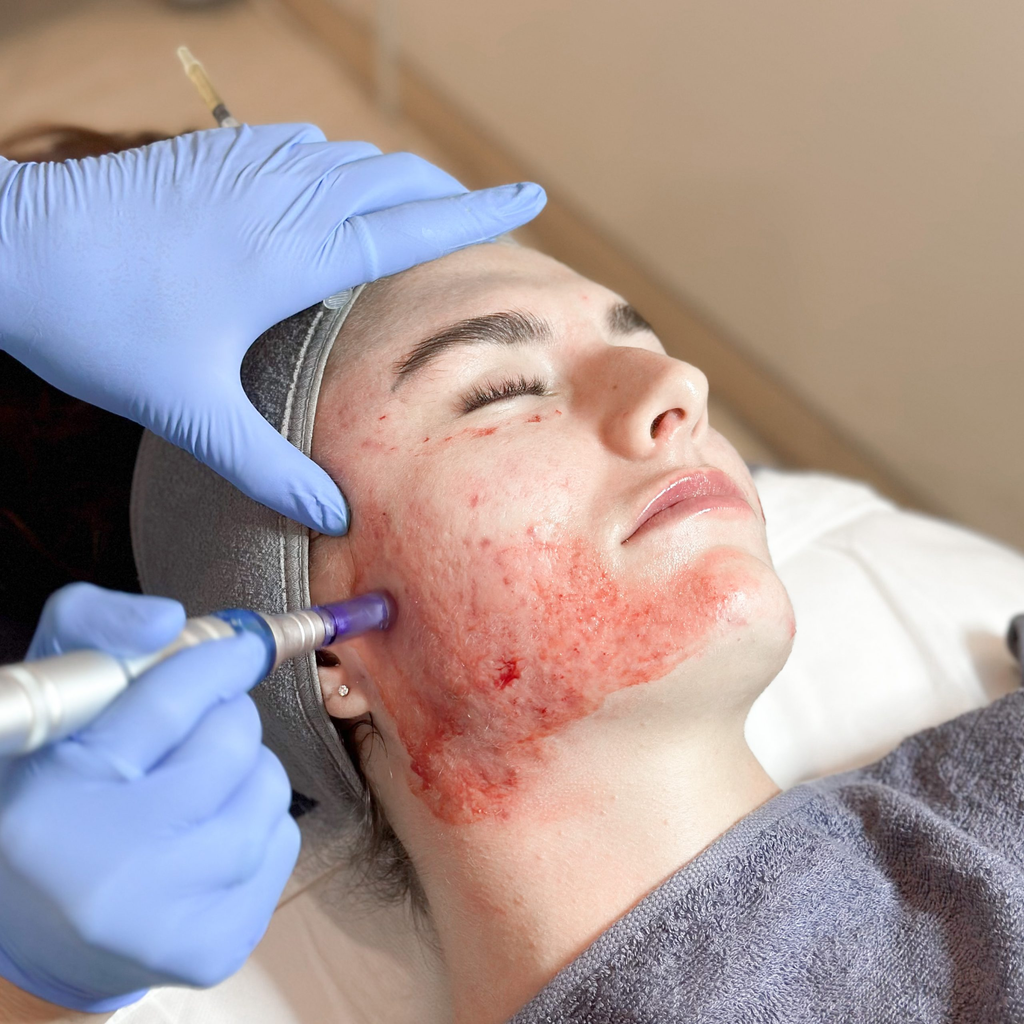
It may be used alone or combined with procedures such as microneedling. The aim is generally to stimulate processes associated with collagen production and skin renewal.
PRP skin treatment may be considered for concerns such as:
- Fine lines
- Uneven skin texture
- Acne scarring
- Dull-looking skin
- Signs of skin ageing
Results can differ considerably between patients, and PRP should not be regarded as a replacement for every other aesthetic treatment.
People researching other non-surgical approaches to improving skin quality may also wish to learn about Profhilo treatment, which is a different injectable treatment with a different mechanism and purpose.
PRP for Joint and Musculoskeletal Conditions
PRP is also used in sports medicine and orthopaedics for some joint, tendon and soft-tissue conditions.
Potential applications may include certain cases involving:
- Knee osteoarthritis
- Tendon injuries
- Sports-related injuries
- Ligament injuries
- Other musculoskeletal conditions
Evidence for PRP varies considerably depending on the injury or condition being treated. It should therefore be assessed by an appropriately qualified healthcare professional rather than assumed to be suitable for every type of joint pain.
How Does PRP Treatment Work?
Although techniques differ between clinics and treatment areas, PRP treatment generally involves several stages.
Step 1: Consultation
Before treatment, the doctor evaluates the patient’s concerns, medical history and suitability for PRP.
For hair loss, this may include determining the likely cause and pattern of hair thinning.
For skin or musculoskeletal treatments, the assessment will depend on the area and condition being treated.
Step 2: Blood Collection
A small amount of blood is drawn, usually from a vein in the arm.
Step 3: Centrifugation
The blood sample is placed in a centrifuge.
The centrifuge spins the blood at high speed to separate its components and allow a platelet-rich portion to be collected.
Step 4: PRP Preparation
The platelet-rich portion is prepared for treatment.
PRP preparation methods and platelet concentrations can vary between systems and clinics.
Step 5: Application or Injection
The PRP is injected into the targeted treatment area.
For some facial procedures, PRP may also be used alongside microneedling.
The duration of the appointment varies according to the treatment but is commonly less than or around an hour.
Potential Benefits of PRP Treatment
The potential advantages of PRP depend heavily on what is being treated.
Uses Your Own Blood
Because the PRP is derived from the patient’s own blood, there is generally a low risk of allergic reaction to the injected material.
Minimally Invasive
PRP treatment usually involves injections rather than surgery.
Limited Downtime
Many patients can return to normal daily activities relatively quickly, although some temporary redness, swelling or tenderness may occur.
May Support Hair Restoration
Research suggests that PRP may help some people with certain types of hair loss, although outcomes vary and repeated treatments may be necessary.
Potential Skin-Rejuvenation Benefits
PRP is used in aesthetic medicine with the aim of supporting collagen production and improving aspects of skin quality.
Potential Musculoskeletal Applications
PRP has also been studied for certain joint and soft-tissue conditions. The quality of evidence varies according to the condition, so treatment should be considered individually.
What to Expect During PRP Treatment in Dubai
Understanding the treatment process can make it easier to prepare for an appointment.
Before PRP Treatment
A consultation should take place before the procedure.
Tell your doctor about:
- Medical conditions
- Prescription medication
- Over-the-counter medication
- Supplements
- Allergies
- Previous cosmetic or medical treatments
Some medicines can affect bleeding or platelet function.
Do not stop prescribed medication unless the healthcare professional responsible for your care specifically advises you to do so.
Your clinic will provide preparation instructions based on the type of PRP procedure being performed.
During the Procedure
After the blood has been drawn and processed, PRP is administered to the treatment area.
A topical numbing cream or local anaesthetic may sometimes be used, particularly for scalp or facial procedures.
Patients may experience pressure, pinching or temporary discomfort during the injections.
After the Procedure
Temporary reactions around the treatment area may include:
- Redness
- Swelling
- Tenderness
- Mild bruising
- Temporary discomfort
These effects are generally short-lived, although recovery varies between individuals and treatment areas.
PRP Recovery and Aftercare
Aftercare recommendations depend on where PRP has been administered.
Your doctor may advise temporarily avoiding vigorous exercise, excessive heat, certain skincare or hair products, or pressure on the treated area.
For facial PRP treatments, appropriate sun protection may also be recommended.
Patients should follow the specific post-treatment instructions provided by their clinic rather than relying on a single aftercare routine for every form of PRP.
Contact the clinic if you experience unexpected or persistent symptoms after treatment.
How Many PRP Sessions Are Needed?
There is no universal number of PRP sessions that works for every patient.
The recommended treatment schedule depends on:
- The condition being treated
- Treatment area
- Severity of the concern
- Individual response
- PRP preparation technique
- Doctor’s treatment protocol
For hair restoration, a course of several initial treatments spaced a number of weeks apart is commonly used, followed by maintenance sessions where appropriate.
Skin treatment schedules can also involve several sessions.
For orthopaedic conditions, the number and frequency of injections depend on the condition being treated and the clinical assessment.
Your doctor should explain the proposed treatment schedule during the consultation.
When Will You See PRP Results?
PRP does not normally produce immediate results.
For hair restoration, improvements may take several months to become noticeable because hair grows gradually.
Skin-related changes may also develop progressively as biological processes such as collagen production occur.
Musculoskeletal outcomes vary according to the underlying condition.
Some patients respond better than others, and PRP cannot guarantee a particular result.
Possible Side Effects of PRP Treatment
PRP is generally considered to have a relatively favourable safety profile when appropriately prepared and administered, but it is not completely risk-free.
Possible side effects can include:
- Pain or tenderness at the injection site
- Swelling
- Bruising
- Redness
- Temporary discomfort
As with other injection procedures, less common complications may also occur.
Choosing an appropriately qualified practitioner and undergoing a proper medical assessment before treatment are important.
Cost of PRP Treatment in Dubai
The cost of PRP treatment in Dubai can vary significantly, so there is no single price that applies to every patient or clinic.
Factors that can influence PRP treatment cost include:
- Treatment area
- Type of PRP treatment
- Number of sessions
- Doctor’s experience
- Clinic and location
- PRP preparation system
- Whether PRP is combined with another procedure
- Treatment packages or maintenance sessions
For example, a patient undergoing several PRP hair-restoration sessions may have a different overall treatment cost from someone receiving a single procedure.
When comparing prices, consider what is actually included rather than selecting a provider solely on the lowest advertised price.
Ask whether the quoted cost includes:
- Medical consultation
- PRP preparation
- Treatment procedure
- Follow-up appointments
- Additional treatments
- VAT or other charges
Because prices and promotions can change, it is best to contact the clinic directly for its current PRP treatment prices.
Who May Be a Suitable Candidate for PRP?
Suitability depends on the reason for treatment and the patient’s general health.
PRP may be considered for some people experiencing:
- Early or moderate hair thinning
- Certain forms of pattern hair loss
- Skin texture or ageing concerns
- Selected musculoskeletal conditions
However, PRP will not be appropriate for everyone.
Certain blood or platelet disorders, active infections, medical conditions and medications may affect whether treatment is appropriate.
A medical consultation is therefore necessary before treatment.
PRP Treatment in Dubai: Frequently Asked Questions
Is PRP treatment painful?
PRP involves injections, so some discomfort is possible. Depending on the treatment area, topical numbing cream or local anaesthesia may be used to improve comfort.
Is PRP treatment safe?
PRP uses material prepared from the patient’s own blood and is generally considered to have a relatively favourable safety profile. However, side effects and complications remain possible, so it should be performed by a suitably qualified professional.
Does PRP permanently stop hair loss?
No treatment can guarantee permanent results for every type of hair loss. PRP may improve hair growth or density in suitable patients, but results vary and maintenance treatments may sometimes be recommended.
How quickly can I return to normal activities?
Downtime is usually limited, but this depends on the treatment area and individual response. Your practitioner should provide specific aftercare instructions.
How long does a PRP treatment take?
Appointments commonly take less than or around an hour, although treatment time varies depending on the procedure and whether PRP is combined with another treatment.
How much does PRP treatment cost in Dubai?
Prices vary according to the treatment area, number of sessions, practitioner, clinic and treatment protocol. Request a current quotation from the clinic before starting treatment.
Conclusion
PRP treatment in Dubai is used across aesthetic medicine, hair restoration and selected musculoskeletal applications. Its main appeal is that the treatment uses platelet-rich plasma prepared from the patient’s own blood and generally requires only a minimally invasive procedure.
However, PRP is not a universal solution. Its effectiveness, number of sessions and expected results depend on the condition being treated and the individual patient.
Anyone considering PRP should begin with an appropriate medical consultation, discuss realistic expectations and understand the proposed treatment plan, potential side effects and total cost before proceeding.
This article is intended for general informational purposes only and should not be considered a substitute for individual medical advice, diagnosis or treatment.
