

Pigmentation is one of the most common skin concerns affecting people of all ages and skin types. Whether it appears as dark spots after acne, patches of melasma, sun-induced discoloration, or uneven skin tone, pigmentation can significantly impact confidence and quality of life. While countless creams, serums, and home remedies promise quick results, many people discover that these solutions often provide limited improvement or, in some cases, even worsen the condition.
The reason is simple: pigmentation is not a single condition. It has multiple causes, depths, and triggers, making accurate diagnosis essential for successful treatment. This is where dermatologist-led care makes a significant difference. A qualified board certified dermatologist can identify the exact type of pigmentation, determine its underlying cause, and recommend evidence-based treatments that are safe, effective, and tailored to an individual’s skin type.
At FMS Skin & Hair Clinic, experienced dermatologists use a combination of advanced diagnostic techniques, medical-grade treatments, and personalized skincare plans to help patients achieve healthier, clearer, and more even-toned clear skin.
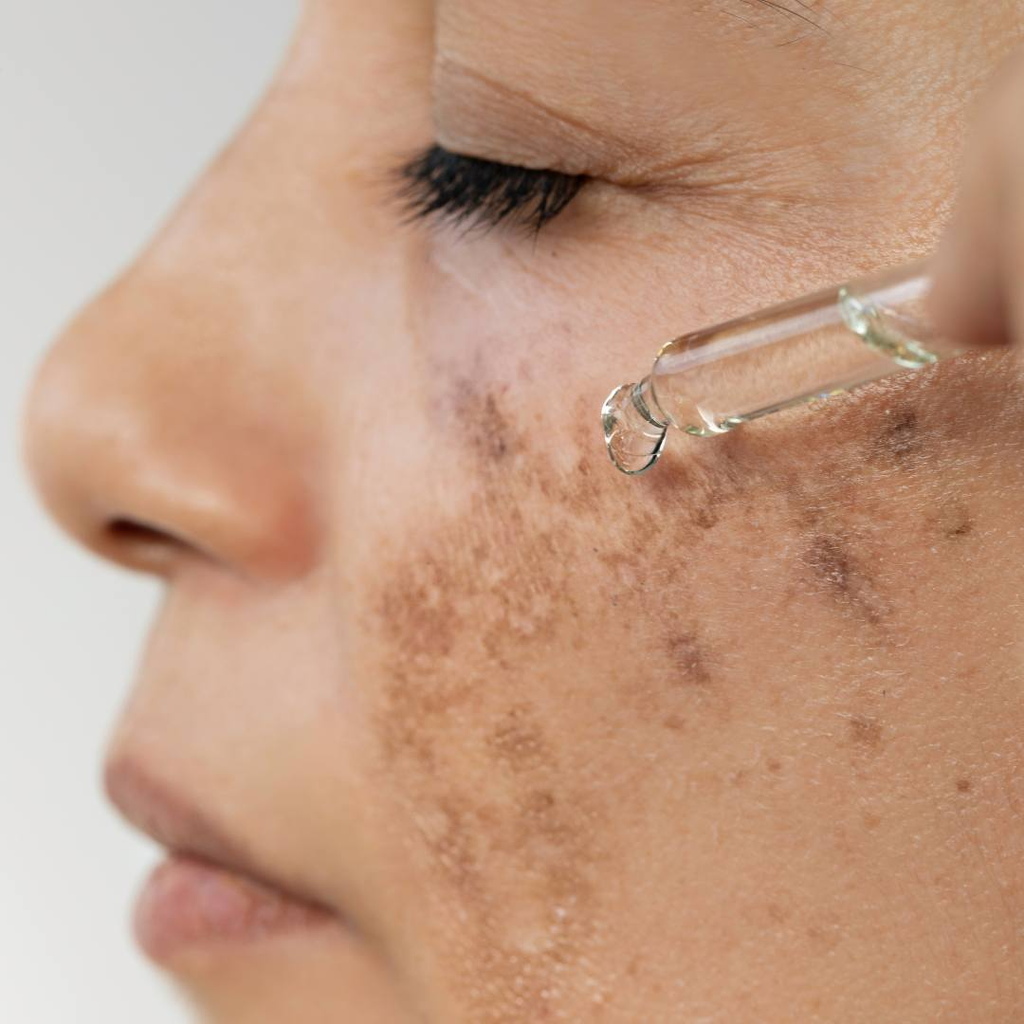
Understanding Skin Pigmentation
Skin color is determined by melanin, a natural pigment produced by specialized cells called melanocytes. Melanin protects the skin from harmful ultraviolet (UV) radiation, but excessive production of melanin or uneven production can lead to hyperpigmentation.
Pigmentation may develop due to:
- Excessive sun exposure
- Hormonal changes
- Acne and skin inflammation
- Aging
- Skin injuries
- Certain medications
- Genetic factors
Although pigmentation is generally harmless, treating it successfully requires understanding why it developed in the first place.
Different Types of Pigmentation
One of the biggest reasons self-treatment fails is that people assume all pigmentation is the same. Dermatologists recognize several different forms, each requiring a unique treatment approach.
Melasma
Melasma appears as symmetrical brown or gray patches on the cheeks, forehead, upper lip, and chin. It is commonly associated with hormonal changes, pregnancy, oral contraceptives, thyroid disorders, and sun exposure. Melasma is often chronic and requires long-term management rather than a one-time treatment.
Post-Inflammatory Hyperpigmentation (PIH)
This develops after traumas, acne, eczema, burns, insect bites, or skin injuries. Once inflammation subsides, dark marks remain behind due to increased melanin production.
Sun Spots
Also known as solar lentigines or age spots, these occur after years of cumulative UV exposure. They commonly appear on the face, hands, neck, and shoulders.
Freckles
Freckles are usually inherited and become darker after sun exposure. Although harmless, some individuals seek treatment for cosmetic reasons. Usually seen in fair skinned people.
Drug-Induced Pigmentation
Certain medications may trigger skin discoloration that requires medical evaluation before treatment.
Why Home Remedies Often Fail
Natural remedies like lemon juice, baking soda, toothpaste, turmeric, or apple cider vinegar continue to circulate on social media. Unfortunately, these methods are rarely supported by scientific evidence.
Some may even cause:
- Skin irritation
- Burns
- Allergic reactions
- Increased pigmentation
- Damage to the skin barrier
- Permanent scarring
Similarly, over-the-counter creams containing unregulated ingredients can produce unpredictable results. Products that are unsuitable for a person’s skin type may worsen pigmentation rather than improve it.
Without an accurate diagnosis, treatment becomes guesswork.
The Importance of Accurate Diagnosis
Effective pigmentation treatment starts with identifying the exact condition.
A dermatologist evaluates several important factors:
- Type of pigmentation
- Depth of pigment
- Skin tone / color
- Duration of the condition
- Skin care routine
- Medical history
- Hormonal influences
- Lifestyle factors
- Previous treatments
- Sun exposure habits
This comprehensive evaluation allows treatment to be customized instead of relying on generalized skincare advice.
Why Dermatologist-Led Treatment Delivers Better Results
1. Personalized Treatment Plans
Every patient’s pigmentation is unique.
A dermatologist develops a customized treatment plan based on:
- Skin type
- Pigmentation severity
- Underlying cause
- Patient expectations
- Lifestyle
- Treatment goals
This individualized approach improves treatment outcomes while minimizing complications.
2. Medical-Grade Topical Medications
Dermatologists prescribe scientifically proven medications that target melanin production safely.
Depending on the diagnosis, treatment may include:
- Hydroquinone (when appropriate) – short course
- Azelaic acid
- Kojic acid
- Retinoids
- Vitamin C
- Niacinamide
- Tranexamic acid
- Cysteamine creams
These medications are selected carefully based on skin sensitivity and pigmentation type.
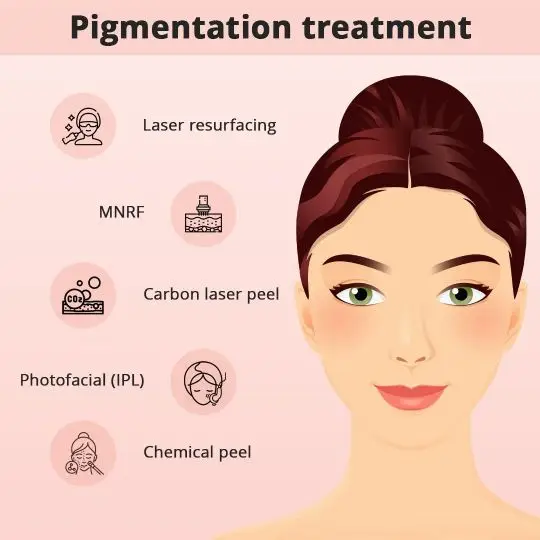
3. Advanced Chemical Peels
Professional chemical peels help remove damaged skin cells and stimulate healthier skin renewal.
Common peels include:
- Glycolic acid
- Salicylic acid
- Deeper phenol peels
- Mandelic acid
- Lactic acid
- TCA peels
- Combination peels
Dermatologists carefully choose peel strength according to the patient’s skin tone, minimizing the risk of post-treatment pigmentation.
4. Laser Treatments
Laser therapy has transformed pigmentation management.
Modern laser systems precisely target excess pigment while preserving surrounding healthy skin.
Depending on the condition, dermatologists may recommend:
- Q-Switched Laser
- Pico Laser
- Fractional Laser
- Laser toning
Laser treatment is particularly effective for stubborn pigmentation that does not respond to topical therapy alone.
5. Combination Therapy
Research consistently shows that combining multiple treatment modalities often produces superior results.
For example:
- Topical medications
- Chemical peels
- Laser therapy
- Strict sun protection
- Medical skincare
This comprehensive strategy addresses pigmentation from multiple angles while reducing recurrence.
The Importance of Sun Protection
Even the most advanced pigmentation treatment will have limited success without proper sun protection.
Ultraviolet radiation stimulates melanocytes, causing pigment to return.
Dermatologists recommend:
- Broad-spectrum SPF 30–50 sunscreen
- Reapplication every two to three hours when outdoors
- Protective clothing
- Wide-brimmed hats
- Sunglasses
- Avoiding excessive midday sun exposure
Sun protection remains one of the most important components of successful pigmentation management.
Why Indian Skin Needs Specialized Care
Individuals with medium to darker skin tones often produce more melanin, making them more prone to pigmentation disorders.
At the same time, aggressive treatments may increase the risk of post-inflammatory hyperpigmentation if not performed correctly.
This makes dermatologist supervision especially important.
Treatment parameters, laser settings, peel strength, and skincare products must all be carefully selected to ensure safety while achieving optimal results.
Common Mistakes That Delay Improvement
Many people unknowingly prolong their pigmentation by:
- Frequently changing skincare products
- Using harsh exfoliants daily
- Picking acne lesions
- Skipping sunscreen
- Purchasing steroid creams without prescription
- Trying viral DIY remedies
- Expecting overnight results
- Stopping treatment too early
Consistency and professional guidance are essential for lasting improvement.
Setting Realistic Expectations
Pigmentation treatment requires patience.
Depending on the condition, noticeable improvement may take several weeks or months.
Melasma, for example, often requires long-term maintenance even after successful treatment.
Dermatologists monitor progress regularly and modify treatment plans whenever necessary to maximize results while protecting skin health.
Benefits of Choosing Dermatologist-Led Care
Professional pigmentation treatment offers several advantages:
- Accurate diagnosis
- Customized treatment plans
- Safe medical-grade therapies
- Access to advanced laser technologies
- Lower risk of complications
- Better long-term outcomes
- Ongoing monitoring
- Preventive strategies to reduce recurrence
Rather than focusing solely on removing existing pigmentation, dermatologists also help patients maintain healthier skin over time.
Maintaining Results After Treatment
Successful pigmentation management does not end after the final treatment session.
Long-term maintenance may include:
- Daily sunscreen application
- Gentle cleansing
- Regular moisturization
- Dermatologist-recommended skincare
- Periodic maintenance treatments
- Healthy lifestyle habits
- Prompt treatment of acne and skin inflammation
These steps help preserve treatment results and reduce the likelihood of future pigmentation.
When Should You See a Dermatologist?
Professional evaluation is recommended if:
- Dark spots continue to spread.
- Pigmentation persists for several months.
- Home remedies have not worked.
- Pigmentation returns repeatedly.
- You develop melasma during pregnancy.
- Acne leaves long-lasting dark marks.
- Uneven skin tone affects your confidence.
- Pigmented patches change rapidly in appearance.
Early treatment generally produces better outcomes and prevents pigmentation from becoming more difficult to manage.
Why Choose FMS Skin & Hair Clinic?
FMS Skin & Hair Clinic offers comprehensive pigmentation management using evidence-based dermatology and advanced aesthetic technologies. Every treatment begins with a detailed skin assessment to identify the root cause of pigmentation and create a personalized care plan.
Depending on individual needs, dermatologists may recommend a combination of medical skincare, chemical peels, laser therapies, and other dermatologist-supervised procedures designed to improve skin tone safely and effectively. The focus is not only on reducing visible pigmentation but also on protecting long-term skin health and minimizing recurrence through preventive care and patient education.
By combining clinical expertise with personalized treatment strategies, FMS Skin & Hair Clinic, provides result oriented best pigmentation treatments in Hyderabad, aims to help patients achieve clearer, healthier, and more radiant skin with confidence.
Conclusion
Pigmentation is a complex skin concern that rarely responds to a one-size-fits-all solution. Because different types of pigmentation have different causes and require different treatments, self-diagnosis and over-the-counter products often lead to disappointing or temporary results.
Dermatologist-led pigmentation treatment offers a more effective path by combining accurate diagnosis, individualized treatment planning, medical-grade therapies, advanced laser technologies, and ongoing follow-up. This comprehensive approach not only improves existing pigmentation but also reduces the chances of recurrence while maintaining overall skin health.
For anyone struggling with persistent dark spots, melasma, acne marks, or uneven skin tone, seeking professional dermatological care is an investment in both healthier skin and long-lasting results. With expert guidance and scientifically proven treatments, achieving a brighter, more even complexion becomes a realistic and sustainable goal.
