

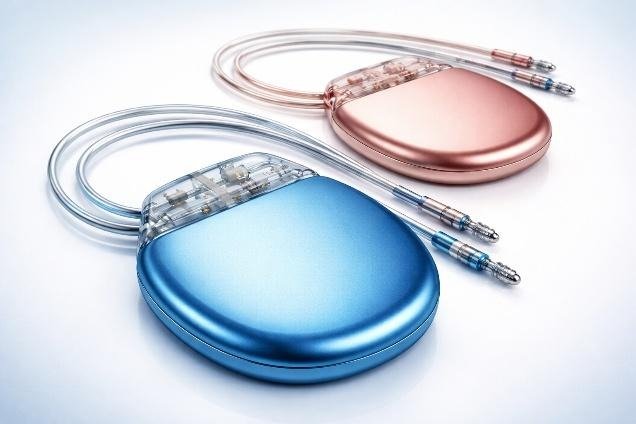
The cardiac pacemaker industry is experiencing a major change. A pacemaker, formerly considered a device that only controlled heart rhythms, is now turning into “smart implants” that provide not only life-saving treatments but also completely change the way we treat the heart with new features. This article explores the changing world of the cardiac pacemaker industry and how the new technology is driving the changes in heart treatment, as well as the increasing importance of smart implants.
A Brief Overview of Cardiac Pacemakers
Cardiac pacemakers’ function as devices that maintain consistent heart rhythms. The system consists of two essential components as they pulse generator and the leads. The pulse generator sends electric signals to the heart that result in controlled heartbeats. Pacemakers function as the primary treatment method for arrhythmias that involve abnormal heart rhythms caused by conditions such as heart block, bradycardia and atrial fibrillation.
Initially, pacemakers were very basic, uniform devices, only capable of changing the heart rate following certain programmed conditions. Yet, with the advancement of technology, these devices have evolved into more advanced ones with the ability to communicate with external devices, respond to real-time data, and provide more individualized care.
Technological Advancements in the Cardiac Pacemaker Market
The heart of the revolution in the market is the incorporation of state-of-the-art technologies like connectivity, artificial intelligence and enhanced battery life. It is not only a feature of convenience but also a way to improve the treatment of patients afflicted with heart diseases. Let’s delve into the main technologies powering the change:
Smart Pacemakers: The Rise of Connectivity
Smart pacemakers are one of the breakthroughs in the market. They are integrated with wireless technology that enables them to send live data to the patients and the doctors at the same time. Through smart pacemakers, healthcare providers can track the heart’s performance and, if required, make the necessary changes as they can get real-time information using the external monitoring systems, as these devices can communicate.
This communication provision has brought in remote monitoring opportunities so that patients need not physically visit their doctors, but still get their condition checked. Monitoring at a distance has become a lifesaver for the patients in the case of COVID-19, when telehealth has become the only way of continuing patient care.
Key Benefits of Smart Pacemakers:
- Real-Time Data Monitoring: Doctors can access the patient’s heart data without the need for an in-person visit that helps them to deliver faster medical treatment.
- Personalized Treatment: Doctors use transmitted data to create specific pacemaker settings as they customize for each patient.
- Increased Patient Autonomy: Patients can track their health status while receiving notifications about unusual heart rate changes that allow them to manage their medical treatment.
AI Integration: A Game-Changer for Cardiac Care
More and more pacemaker systems include AI these days by enabling them to change the treatment plans instantly depending on the patients’ conditions. By deploying AI pacemakers, machine learning algorithms are able to keep heart rhythm monitoring going and automatically make changes to the pacing parameters. The outcome is a device that acts not only on a heartbeat that is out of rhythm but also anticipates the need for treatment.
Beyond optimizing cardiac care, artificial intelligence solutions also reduce the number of manual adjustments required. Artificial intelligence-powered pacemakers enable doctors to detect heart abnormalities before they become visible to medical professionals. The system delivers enhanced diagnostic capabilities together with improved treatment solutions. The technology provides doctors, together with patients, with multiple tools that generate useful medical insights that help decrease health complications while enhancing patient health results.
How AI Enhances Pacemaker Functionality:
- Adaptive Pacing: The system adjusts its operational speed based on current conditions that allow the pacemaker to track changes in heart rate and rhythm.
- Predictive Analytics: Artificial intelligence predicts future heart complications that help doctors to prepare their responses for medical emergencies that will happen before they manifest.
- Increased Precision: The treatment precision through its capacity to adjust pacemaker settings with exact control, while it develops customized medical solutions for individual patients.
Longer Battery Life: Reliability and Reducing Maintenance
One major step forward in the latest pacemaker versions is the improvement of battery durability. Standard pacemakers were generally only functional for the battery lifespan of 5 to 7 years. Yet, the new pacemakers fitted with lithium batteries can have an operating life much beyond that, with some units even up to 10 years and more.
Besides that, science is also directed towards energy harvesting techniques, allowing pacemakers to derive power from the patient’s motion; in a perfect scenario, it might mean no more battery changes. The beauty of these inventions is in diminishing the frequency of surgical interventions and thus substantially enhancing patients’ long-term comfort.
Advantages of Extended Battery Life:
Among the significant benefits of longer-lasting batteries in current pacemakers is that they contribute to reducing surgical interventions that not only lead to cost savings but also patients’ lesser exposure to invasive procedures. Also, the patients experience a high level of comfort and great quality of life since they do not have to worry about regular battery changes and consequently have fewer disruptions in their lives. Another positive aspect of prolonged battery lifespan is that it helps reduce the negative environmental effects due to pacemaker replacements, thereby supporting a greener care for the heart.
Minimally Invasive Procedures: A Step Toward Better Patient Comfort
Recently, the development of surgical methods has significantly reduced the invasiveness of pacemaker implantation. In fact, a large chest incision is typically required for pacemaker implantation, but it has become almost unnecessary with the new technologies such as leadless pacemakers. Not only does implantation with these pacemakers result in less pain, but patients can get back to their normal lives more quickly.
Leadless pacemakers are very small, very compact devices implanted directly into the heart, not placed under the skin as usual. This type of pacemaker gets rid of the wires needed to connect the device to the heart that are the source of lead failure and infection in most cases. Implantation of leadless pacemakers is done through a catheter; only a small incision in the groin is needed, making the patient get well quicker and the possibility of complications lower.
Benefits of Minimally Pacemaker Implantation:
- Faster Recovery: Patients who experience reduced post-surgical pain can return to their normal activities at an earlier time.
- Reduced Complications: The procedure brings fewer risks, that includes infection and lead to malfunctions and other complications.
- Enhanced Patient Comfort: The less invasive incisions give way to not having to go through surgeries that provide a favourable surgical experience to patients.
Key Trends Shaping the Market:
Personalized heart care has developed into a major trend as patients and doctors need treatment options that match their specific needs. The process requires an increasing demand for flexible pacemaker solutions. Besides that, worldwide market growth, especially in developing countries such as Asia and Latin America, is anticipated. On top of that, there is growing attention to ongoing patient monitoring by using intelligent pacemakers embedded with telemedicine solutions, thereby encouraging leading-edge heart care management.
The Future of the Cardiac Pacemaker Market
The cardiac pacemaker market’s future looks bright, powered by smarter hardware and software. AI and IoT are stepping in making devices faster, better at sensing changes, and able to tailor treatment to individual patients. Heart disease still hits hard globally, mainly as people age and health services spread across regions. More folks get checked regularly now. That means demand soars. Companies can’t ignore it either. They’re racing to build tools that feel less like machines and more like partners. Patients will notice the difference sooner than expected.
A Bright Future for Heart Care
The cardiac pacemaker industry looks set to undergo a huge shift. Breakthroughs like smart implants, AI-assisted algorithms, new battery chemistries that allow the device to operate longer, and less invasive methods of operation could make the future of heart care very bright. These developments will not only make patients’ health better but will also render heart care more accessible, personal, and efficient. The market grows as older people are rising, heart disease spreads, and clinics open in poorer nations.
Pacemakers could shift how we manage heart health; better tech means safer lives. Consumers get tools that work well, help keep blood moving right, and extend life span. Pristine Market Insights, reports that the worldwide cardiac pacemaker market is anticipated to grow substantially, mainly due to the increasing elderly population, rising cases of cardiovascular diseases, and enhanced access to healthcare facilities in developing countries.
Author Bio :
Teja Kurane is a research analyst specializing in healthcare and medical device markets. With a strong focus on emerging industry trends and data-driven insights, Teja analyzes developments shaping the global cardiac pacemaker market. Teja’s research highlights innovation, market dynamics, and growth opportunities influencing the future of advanced heart care technologies.
