

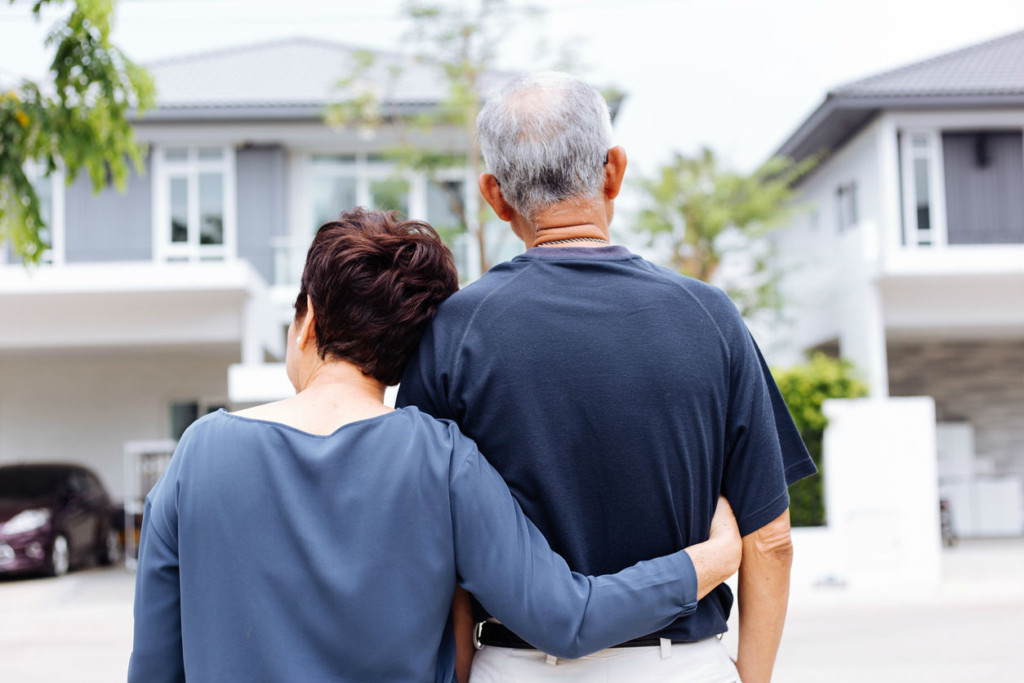
As populations age worldwide, the concept of “aging at home” has shifted from a personal preference to a public health priority. Remaining in one’s own home for as long as possible is associated with better mental health, stronger social ties, and improved overall well-being. However, achieving this goal safely requires more than determination—it depends heavily on how well the home environment supports changing physical and cognitive needs.
Health science increasingly shows that the design of living spaces plays a critical role in injury prevention, mobility preservation, and long-term independence.
Why Aging at Home Matters for Health
Aging at home is strongly linked to positive health outcomes. Research published by the National Institute on Aging highlights that familiar environments help reduce stress, confusion, and anxiety in older adults, particularly those managing chronic conditions or early cognitive decline.
Staying in a familiar home also helps maintain routines, community engagement, and a sense of control—factors that are associated with lower rates of depression and better cognitive resilience. In contrast, forced relocation due to environmental barriers can accelerate functional decline and negatively affect emotional health.
Falls: A Leading Threat to Independence
One of the most significant risks to aging at home is falls. According to the Centers for Disease Control and Prevention, falls are the leading cause of injury-related hospitalizations among adults aged 65 and older
Staircases are a major contributor to these incidents. As muscle strength, balance, and reaction time naturally change with age, navigating stairs multiple times a day can become increasingly hazardous. Even a single fall can trigger a cascade of health consequences, including fractures, reduced mobility, fear of movement, and loss of independence.
From a preventive health perspective, reducing fall risk within the home is one of the most effective strategies for preserving long-term mobility.
The Role of Home Design in Preventive Health
Environmental health research emphasizes that injury prevention is most effective when risks are addressed proactively. The World Health Organization identifies safe housing design as a key determinant of healthy aging, noting that adaptable homes reduce both injury rates and healthcare costs.
Features such as improved lighting, non-slip flooring, wider pathways, and step-free movement between levels can significantly lower the likelihood of accidents. Importantly, these modifications benefit not only older adults but also individuals recovering from surgery, managing disabilities, or experiencing temporary mobility limitations.
Vertical Mobility and Physical Strain
Multi-level homes present a unique challenge. Repeated stair use can place strain on joints affected by arthritis, osteoporosis, or past injuries. Over time, this strain may lead to activity avoidance—individuals limiting their movement to one floor of the home, reducing overall physical activity.
Reduced daily movement is itself a health risk. Studies published in journals such as The Lancet Healthy Longevity have linked decreased mobility with faster functional decline and increased risk of cardiovascular disease.
Supporting safe vertical movement within the home helps maintain natural activity levels without introducing unnecessary physical stress. This is where modern residential accessibility solutions, including compact lift systems like an age at home home elevator, align closely with preventive health principles by reducing strain while preserving independence.
Psychological Health and Autonomy
Beyond physical safety, autonomy is a major determinant of mental health in older adulthood. Being able to move freely within one’s home without assistance reinforces self-efficacy and reduces feelings of dependency.
AARP research shows that older adults who feel in control of their daily environments report higher life satisfaction and lower levels of anxiety
When homes are adapted to support mobility rather than restrict it, individuals are more likely to remain socially active, continue self-care routines, and engage in purposeful movement—all of which are associated with better cognitive and emotional health outcomes.
Universal Design as a Health Strategy
From a public health standpoint, universal design is not simply an architectural trend—it is a long-term health strategy. Designing homes that accommodate a wide range of abilities reduces the need for emergency interventions later in life and supports aging populations at scale.
Universal design principles emphasize flexibility, simplicity, and intuitive use. In health terms, this translates into fewer injuries, reduced caregiver burden, and delayed institutionalization. The result is not only improved quality of life for individuals, but also reduced strain on healthcare systems.

Planning Early for Better Outcomes
Health professionals increasingly recommend planning for accessibility well before mobility becomes an issue. Early adaptations are typically less costly, less disruptive, and more likely to be embraced positively by homeowners.
Rather than signaling decline, forward-thinking home design reflects an evidence-based understanding of how environments influence health across the lifespan. By aligning housing with human physiology and aging science, individuals can create spaces that actively support well-being rather than undermine it.
Conclusion
Aging at home safely is not solely a matter of personal choice—it is a health outcome shaped by environment, design, and prevention. As scientific research continues to clarify the links between mobility, injury risk, and mental health, the importance of adaptable living spaces becomes increasingly clear.
Homes that support safe movement, reduce physical strain, and preserve autonomy are powerful tools for healthy aging. When designed with intention, they allow people not just to live longer at home, but to live better.
