

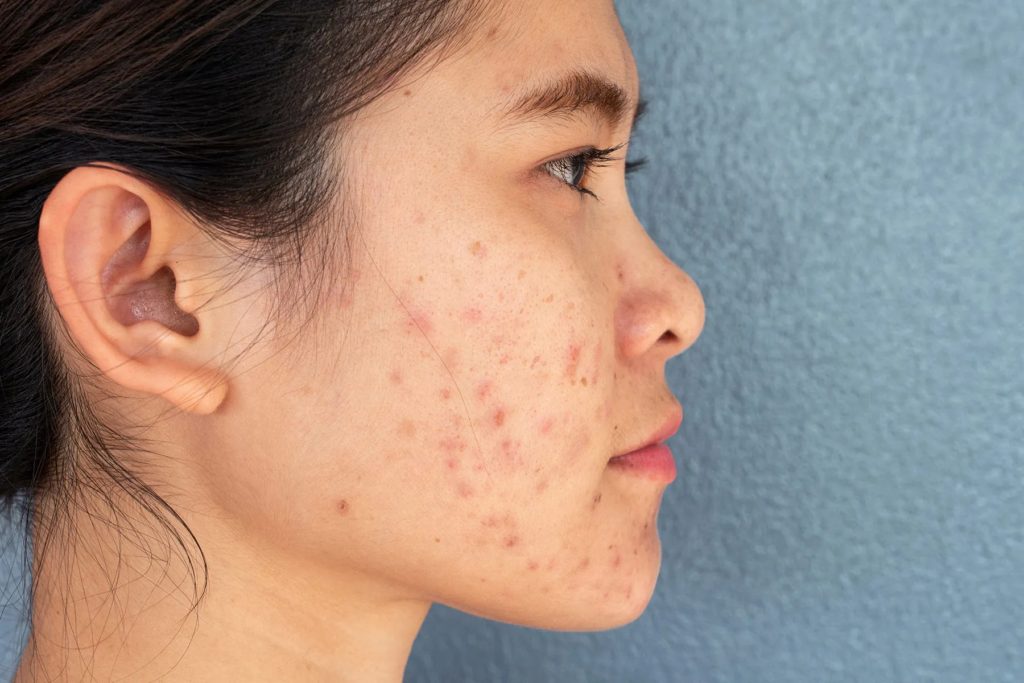
Acne scarring is often discussed in aesthetic terms, but from a medical perspective, it represents a form of permanent skin injury. Scars form when inflammation from acne disrupts normal wound healing, leading to collagen loss, abnormal collagen deposition, or fibrotic tethering within the dermis. When these changes are left untreated, they do not remain static. As the skin ages and its regenerative capacity declines, acne scars can become more pronounced, more symptomatic, and more difficult to manage.
This topic matters medically because untreated acne scars may influence skin function, pigment regulation, and long-term psychosocial wellbeing, which is why acne scar removal treatment in Singapore is often discussed in the context of both dermatologic health and long-term skin maintenance. As collagen production decreases by approximately 1 percent per year after the mid 20s, previously mild scars may deepen or widen over time. In addition, chronic inflammation or recurrent acne activity in scarred areas may further compromise skin integrity.
Understanding the risks of leaving acne scars untreated allows patients to make informed decisions about timing, prevention, and realistic management strategies.
Why Untreated Acne Scars Change Over Time
Acne scars are not inert marks. They are areas where the dermal matrix has been structurally altered. In atrophic scars, collagen destruction exceeds regeneration, resulting in depressed areas tethered by fibrotic strands. In hypertrophic or keloid scars, excessive collagen deposition leads to raised, firm tissue.
With age, several physiological changes affect these scars:
- Reduced fibroblast activity limits new collagen formation
- Thinning of the epidermis makes dermal irregularities more visible
- Loss of subcutaneous fat exaggerates depressions
- Increased ultraviolet exposure accelerates collagen breakdown
Clinical observations show that scars which appear shallow in early adulthood may become deeper and more visible in the 30s and 40s. This progression is gradual, which is why many patients underestimate the long-term impact of untreated scarring.
Screening, Prevention, and Early Intervention
Early identification of acne scars allows for less invasive intervention. Dermatologists typically classify scars into ice pick, boxcar, rolling, hypertrophic, or mixed types. This classification helps predict progression and guide management.
Screening includes:
- Visual and tactile assessment of scar depth and texture
- Evaluation for active acne or subclinical inflammation
- Assessment of pigment changes within scar tissue
- Review of acne history and treatment timing
Preventive strategies focus primarily on controlling active acne. Data suggest that early and effective acne treatment reduces the risk of permanent scarring by up to 50 percent. Avoiding mechanical manipulation such as picking or squeezing lesions also significantly lowers scar severity.
For patients already developing early scars, timely intervention may limit progression and reduce the need for more aggressive procedures later.
Daily Care and Lifestyle Impact on Scar Progression
While daily skincare cannot reverse established scars, it influences how scars age and how visible they become.
Ultraviolet radiation increases matrix metalloproteinase activity, which degrades collagen within scar tissue. Studies indicate that chronic sun exposure can worsen scar depth and pigmentation by 20 to 30 percent over several years.
Lifestyle factors that affect scar evolution include:
- Smoking, which reduces dermal oxygenation and collagen synthesis
- Recurrent inflammation from untreated acne or dermatitis
- Inconsistent sun protection
- Use of irritating skincare products that disrupt the barrier
Daily care aimed at supporting barrier function and minimizing inflammation may slow scar progression and improve tolerance to future treatments.
Age-Related and Chronic Conditions That Interact With Scarring
Several chronic skin and systemic conditions influence how acne scars behave when left untreated.
Photoaging accelerates collagen loss and elastin degradation, making scars appear sharper and more irregular.
Chronic inflammatory conditions such as rosacea or seborrheic dermatitis increase baseline cytokine activity, which may perpetuate redness and pigment changes within scars.
Hormonal acne in adults, particularly women, often leads to deeper inflammatory lesions that overlap with existing scars, compounding tissue damage.
In darker skin types, post inflammatory hyperpigmentation within scars may persist longer, increasing visual contrast even if scar depth remains unchanged.
These factors mean that untreated scars rarely remain stable over a lifetime.
Prescription Versus Over-the-Counter Treatments
Over-the-counter scar products commonly include silicone gels, niacinamide, low strength acids, and antioxidants. These may improve surface texture and discoloration by approximately 10 to 20 percent over three to six months, but they do not remodel deep dermal scars.
Prescription treatments offer more significant biological effects:
- Topical retinoids increase epidermal turnover and stimulate collagen production, improving shallow scars by roughly 20 to 30 percent over six months
- Corticosteroid injections can flatten hypertrophic scars but are not indicated for atrophic scars
- Oral isotretinoin reduces future scarring risk by controlling severe acne but does not reverse existing scars
Prescription treatments are most effective as adjuncts rather than standalone solutions for established scarring.
In-Clinic Procedures and Their Role in Preventing Progression
Procedural interventions directly target scar architecture and are often necessary when scars are left untreated for extended periods.
Subcision releases fibrotic bands anchoring rolling scars, allowing the skin to elevate and collagen to regenerate. Clinical studies report 30 to 60 percent improvement after multiple sessions.
Microneedling creates controlled dermal injury, stimulating fibroblast activity. Collagen density may increase by up to 400 percent in treated areas after a series of treatments.
Fractional laser resurfacing induces microthermal zones that trigger remodeling. Boxcar and rolling scars may improve by 40 to 70 percent over several sessions.
Radiofrequency microneedling delivers thermal energy to deeper dermal layers, improving scars resistant to surface treatments.
When acne scar removal treatment is delayed, these procedures often need to be more extensive to achieve comparable outcomes.
What Our Dermatologist Says
In my clinical experience, patients often underestimate how acne scars evolve over time. Many believe scars are purely cosmetic and stable, but structurally they change as the skin ages.
I frequently see patients in their late 30s who say their scars were barely noticeable years earlier. The combination of collagen loss and fat redistribution makes those scars more visible. Earlier intervention typically requires fewer sessions and produces more predictable improvement.
Putting This Into Practice
- Treat active acne promptly and consistently
- Avoid picking or manipulating lesions
- Use daily broad spectrum sun protection
- Maintain gentle, barrier-supportive skincare
- Address new inflammation early
- Reassess scars periodically as skin ages
When to Seek Professional Help
- Scars that appear to be worsening over time
- Persistent redness or pigmentation within scars
- Ongoing acne in scarred areas
- Emotional or social distress related to skin appearance
- Uncertainty about treatment timing or options
Commonly Asked Questions
Do acne scars worsen if left untreated?
Often yes. Aging, sun exposure, and collagen loss can make scars deeper and more visible.
Can untreated scars affect skin health?
Scars may have altered barrier function and blood flow, which can affect healing and sensitivity.
Is it too late to treat old scars?
Treatment is still possible, but older scars usually require more intensive approaches.
Are untreated scars more difficult to treat later?
Typically yes. Fibrosis becomes more established over time.
Should scars be treated even if they are mild?
Early treatment may prevent progression and reduce the need for invasive procedures later.
Next Steps
Acne scars reflect permanent structural changes in the skin, and leaving them untreated can allow those changes to progress with age. A structured evaluation helps determine whether intervention is appropriate now or whether monitoring is sufficient. If you have concerns about existing acne scars, consultation with a dermatologist in Singapore can clarify risks, timing, and evidence-based treatment options tailored to your skin.
